
What Is Soft Washing and Why Do Wilmington Homes Need It?

Updated: Oct 8
Soft washing is a low-pressure exterior cleaning method that uses biodegradable cleaning solutions to safely kill mold, mildew, algae, and bacteria on a home's siding, roof, fences, and screened porches. Unlike pressure washing, which blasts dirt off with high water pressure, soft washing cleans both the surface and the living organisms that cause staining, so the results last four to six times longer.
Nick and Chris Corbelli have been cleaning homes across the Cape Fear region for years, and this is one of the most common questions they hear from Wilmington and Leland homeowners. The short version: pressure washing removes what you can see today, while soft washing prevents it from coming back next month.
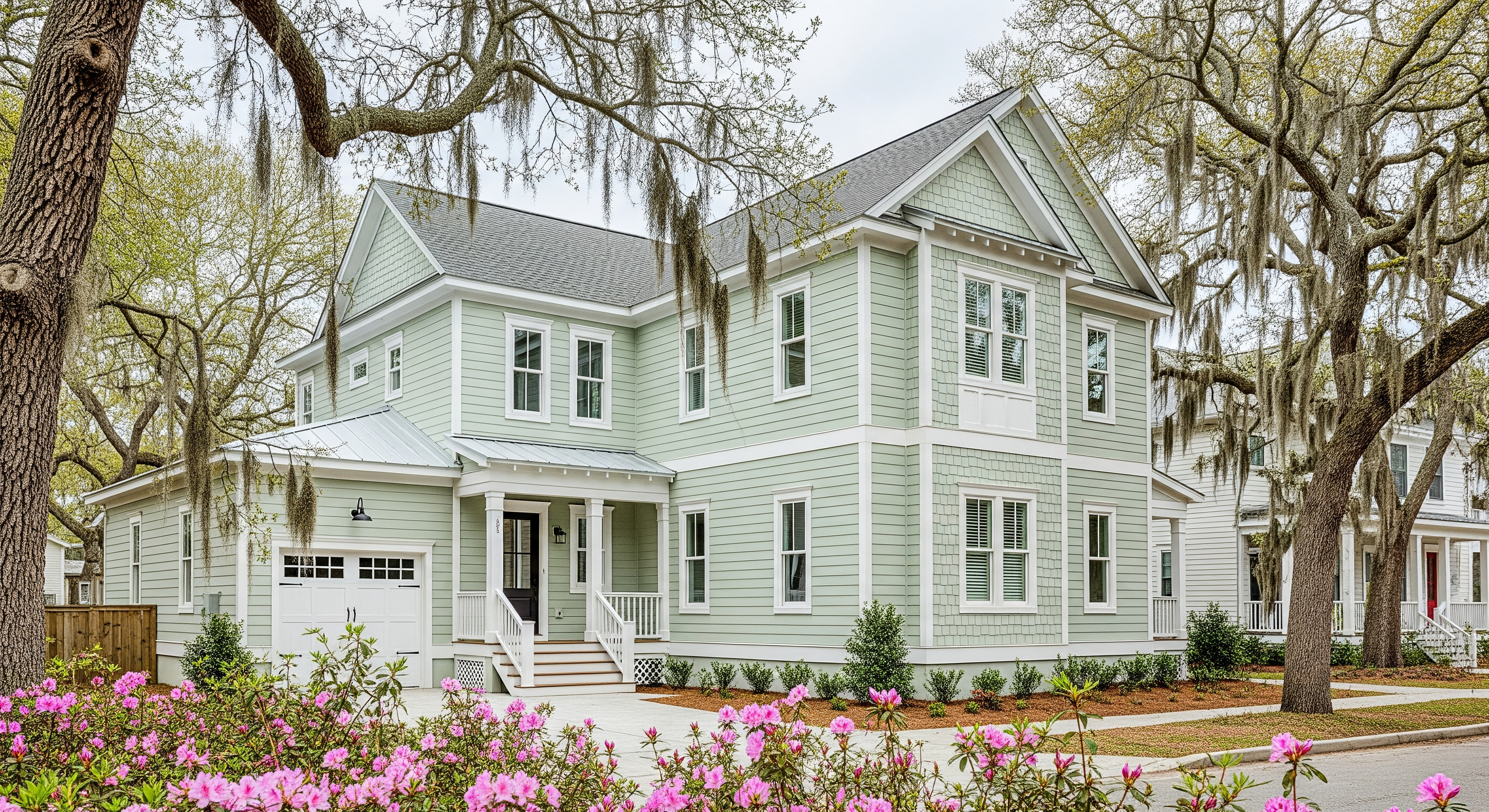
A homeowner in Magnolia Greens called us last spring after pressure washing her own vinyl siding and watching the mildew creep back within two months. Why didn't it stay clean? she asked. The answer is simple. Pressure alone knocks debris off the surface, but the spores that cause black streaks, green algae, and grey mildew live deeper in the surface pores. Soft washing kills them at the source.
What Is the Difference Between Soft Washing and Pressure Washing?
Pressure washing relies on water pressure (often 2,000 to 4,000 PSI) to physically blast dirt and debris off a surface. Soft washing uses water pressure no higher than a garden hose (under 500 PSI) combined with a specialized cleaning solution to do the work chemically.
The two methods are not interchangeable. Pressure washing is the right tool for tough, durable surfaces like concrete driveways and brick walkways. Soft washing is the right choice for delicate surfaces that high pressure can damage, including vinyl siding, painted Hardie-board, asphalt shingle roofs, screened porches, wood fences, and stucco.
Using the wrong method can cause real damage. Pressure washing vinyl siding can drive water behind the panels and into your wall cavity, which leads to mold and rot inside the wall. Pressure washing a shingle roof can strip away the protective granules that shield your shingles from UV light, shortening the life of the roof by years.
For a deeper comparison, see our guide to the difference between house washing and pressure washing.
How Does Soft Washing Actually Work on a Wilmington Home?
The soft wash process is a four-step sequence that focuses on chemistry, not force.
Step 1: Pre-rinse. We rinse the surface with plain water to loosen surface debris and saturate nearby plants and grass so the cleaning solution does not absorb into them. This is the same kind of plant protection professional landscapers use when applying treatments.
Step 2: Apply the cleaning solution. A biodegradable mix containing a low concentration of sodium hypochlorite and a surfactant is applied through a low-pressure pump. The solution clings to the surface, kills mold and algae at the root, and breaks down dirt.
Step 3: Dwell. The solution sits on the surface for 5 to 15 minutes, depending on how heavy the staining is. This is when the chemistry does the work that pressure cannot.
Step 4: Rinse and final inspection. We rinse the surface from top to bottom with low-pressure water and rinse all surrounding plants and lawn one more time. The result is a clean surface that stays clean for 12 to 24 months.
Last month, we soft washed a two-story Hardie-board home on Belshaw Drive in Brunswick Forest where the back of the house had not been cleaned in three years. The homeowner had been told the house needed to be repainted. After two hours of soft washing, the original sage color came back and the painter was cancelled.
Which Surfaces on Your Home Should Be Soft Washed?
Most exterior surfaces on a typical Wilmington or Leland home are best cleaned with soft washing rather than pressure. Here is the simple breakdown.
Surface | Recommended Method |
Vinyl siding | Soft wash |
Hardie-board / fiber cement siding | Soft wash |
Asphalt shingle roof | Soft wash |
Stucco | Soft wash |
Wood fences and pergolas | Soft wash |
Screened porches | Soft wash |
Painted exterior trim | Soft wash |
Concrete driveway | Pressure wash |
Concrete sidewalk | Pressure wash |
Brick walkway | Pressure wash |
Paver patio | Pressure wash with sand replacement |
A good rule of thumb: if the surface is attached to your house above grade, it is almost always a soft wash surface. If it sits on the ground and gets walked on, it is usually a pressure wash surface.
House Washing in Autumn Hall, NC
Is Soft Washing Safe for Plants, Pets, and Painted Siding?
Yes, when done correctly. The cleaning solution used in professional soft washing is diluted to a level that is safe for surrounding plants and lawns when the proper pre-rinse and post-rinse steps are followed.
That said, there is a real difference between the diluted soft wash mix used by trained crews and the raw chemicals you can buy at a hardware store. Plant safety depends on three things: dilution, pre-rinse, and post-rinse. Skip any of the three and you can burn boxwoods, azaleas, or ornamental grasses.
For more detail, read Will Soft Washing Kill My Plants and Flower Beds?, which covers exactly which plants are sensitive and how we protect them.
Pets should be kept indoors during the cleaning and for about an hour afterward, until everything has been fully rinsed. Once dry, the surface is safe for kids, pets, and bare feet.
For painted siding, soft washing is gentler than pressure washing because there is no force to chip or peel the paint. It is the standard method recommended by most paint manufacturers for surface preparation before repainting.
How Long Does Soft Washing Last in Wilmington Weather?
A properly soft-washed home in Wilmington or Leland will stay visibly clean for 12 to 24 months. Compare that to pressure washing alone, which often shows mildew regrowth within 60 to 90 days near the water.
Three local factors shorten the time between cleanings:
Tree cover. Homes shaded by live oaks or pines stay damp longer and grow algae faster. Wooded lots in Brunswick Forest, Porters Neck, and Landfall typically need cleaning every 12 to 18 months.
Proximity to water. Homes near the Cape Fear River, the Intracoastal Waterway, or the beach communities of Wrightsville Beach and Carolina Beach hold humidity year-round.
North-facing walls. The north side of any home in Wilmington gets less direct sun, stays damper, and grows mildew faster than the south side.
Sun-exposed homes in open developments like Compass Pointe or Magnolia Greens often go a full two years between soft washes. Heavily shaded homes typically need annual service.
How Much Does Soft Washing Cost in Wilmington and Leland?
Soft washing pricing depends on home size, height, and how dirty the surface is. Most single-family homes in the Wilmington and Leland area fall into a predictable range.
Home Size | Typical Soft Wash Price |
Single-story, under 1,800 sq ft | $300 to $400 |
Single-story, 1,800 to 2,800 sq ft | $375 to $500 |
Two-story, under 2,500 sq ft | $425 to $575 |
Two-story, 2,500 to 4,000 sq ft | $525 to $750 |
Larger custom home | Custom quote |
For a full breakdown by square footage and add-ons, read How Much Does Soft Washing Cost in Wilmington, North Carolina?.
Bundling soft washing with other services usually saves 10 to 20 percent. A common bundle for Brunswick Forest and Compass Pointe homeowners is a house wash plus driveway pressure wash plus gutter brightening, which makes the whole exterior look new in a single visit.
House Washing in Leland, NC
A homeowner on Sugargrove Trail in Compass Pointe scheduled a soft wash plus driveway pressure wash bundle last fall. The whole project took less than half a day and her HOA letter cleared the same week. That kind of one-visit cleanup is the most common request we get from HOA communities.
Frequently Asked Questions About Soft Washing in Wilmington NC
Can I soft wash my house myself?
Technically yes, but the chemistry and the equipment make a real difference. Renting a soft wash setup costs nearly as much as hiring a professional, and using the wrong dilution can burn plants, streak siding, or leave the surface still dirty. Most Wilmington homeowners find that hiring a pro is the safer and more cost-effective option.
Will soft washing damage my landscaping?
Not when done correctly. We pre-rinse all plants, shrubs, and grass before applying any cleaning solution, then rinse everything again at the end. Sensitive plants like azaleas and boxwoods, common in Landfall and Brunswick Forest, get extra protection.
How often should I have my home soft washed in Wilmington?
Every 12 to 24 months is standard for the Wilmington and Leland area, depending on tree cover, sun exposure, and proximity to the water. Heavily shaded homes near wooded lots may need annual service, while open-lot homes in newer developments often go two full years.
Does soft washing remove black streaks on a roof?
Yes. The black streaks on most asphalt shingle roofs are caused by Gloeocapsa magma, a type of algae. Soft washing kills the algae at the root and the streaks rinse away with rain over the following weeks. It is the same method recommended by most major shingle manufacturers.
By Nick Corbelli, Owner of Window Cleaning Wizards
Nick and his brother Chris have been cleaning homes across Wilmington, Leland, and surrounding communities for years. They bring real hands-on experience to every job.
Ready to see what soft washing can do for your home? Call Nick and Chris at 910-727-4336 or use the quote form to schedule a free estimate. We service Wilmington, Leland, Wrightsville Beach, Carolina Beach, Hampstead, and the surrounding communities.
This article was written with AI assistance and reviewed by Nick Corbelli, owner of Window Cleaning Wizards.


Comments